Low blood pressure, also known as hypotension, is often overlooked because it is considered less harmful than high blood pressure. However, when blood pressure drops too low, it can affect the body's ability to supply enough oxygen and nutrients to vital organs. Recognizing BP low symptoms early can help prevent complications and improve overall well-being.
Common BP low symptoms include dizziness, lightheadedness, weakness, fatigue, blurred vision, nausea, and difficulty concentrating. Some individuals may also experience fainting or feel unsteady when standing up suddenly. While these symptoms may seem minor at first, they can interfere with daily activities if left unmanaged.
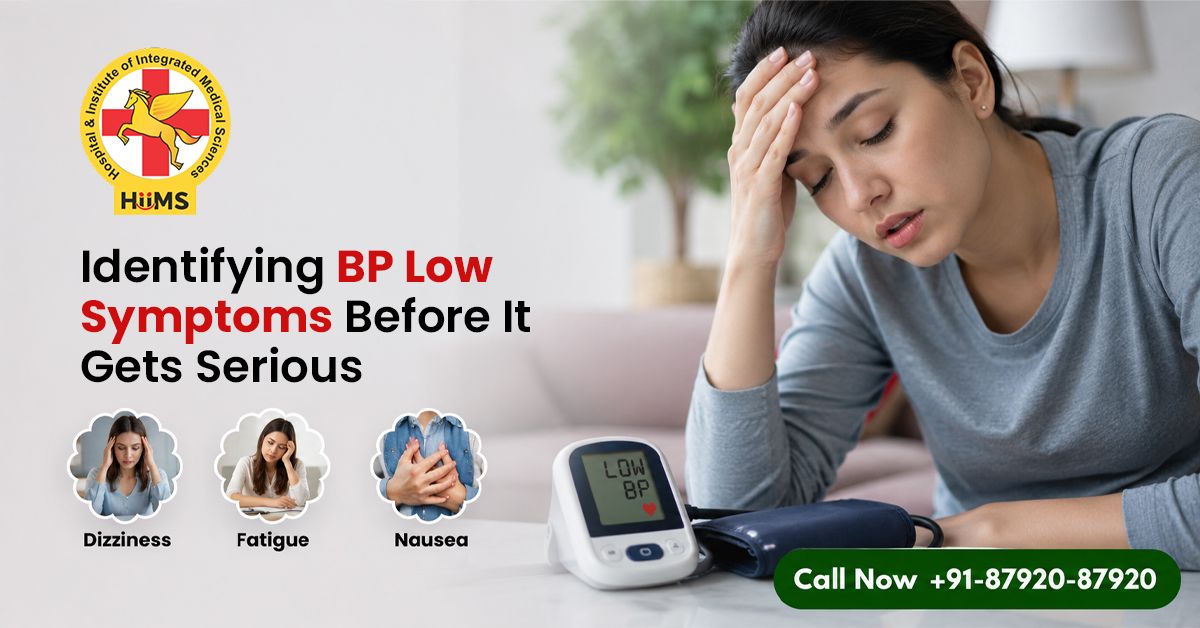
Several factors can contribute to low blood pressure, including dehydration, nutritional deficiencies, long gaps between meals, stress, certain medications, and underlying health conditions. Understanding the root cause is important for managing symptoms effectively.
Simple lifestyle measures may help support healthy blood pressure levels. Staying well-hydrated, eating balanced meals at regular intervals, maintaining a healthy sleep schedule, and engaging in light physical activity can contribute to overall cardiovascular health. Avoiding sudden changes in posture may also help reduce dizziness and lightheadedness.
If symptoms become frequent, severe, or lead to fainting episodes, seeking medical guidance is important. A healthcare professional can help identify the underlying cause and recommend appropriate care.
At Jeena Sikho HiiMS, a holistic approach to wellness focuses on supporting the body's natural balance through healthy lifestyle practices, nutrition, and overall well-being. Early awareness and timely action can play an important role in managing BP low symptoms and maintaining a healthier life.
To learn more about natural wellness approaches and health management, contact Jeena Sikho HiiMS at +91-87920-87920.